The best LED screen for your event depends on viewing distance, venue type, content format, and screen placement.
Bigger is not always better. The right size should fit the room and match the audience’s line of sight.
Pixel pitch affects screen clarity. The closer the audience is, the finer the pitch usually needs to be.
Indoor and outdoor events need different screen planning.
A good LED screen setup should be part of the wider AV and stage plan, not treated as a standalone item.
LED screens have become one of the most requested event elements in Dubai. They are used for conferences, exhibitions, retail activations, product launches, weddings, gala dinners, and branded experiences. They help events look sharper, feel more immersive, and communicate more effectively.
But choosing the right LED screen rental Dubai setup is not as simple as booking a large display. The quality of the result depends on several details that many event organizers are not fully familiar with at the start. Screen size matters, but so do pixel pitch, room layout, content type, and technical support.
If you are planning an event and want the screen to look clean, bright, and professional, here is what you need to know.
Dubai events are visual by nature. Whether the event is corporate, social, or promotional, presentation quality matters. Audiences expect better production value, and brands want a setup that looks strong in person and on camera.
LED screens are popular because they offer:
high visibility for presentations and branded content
flexible sizing and layout
strong visual impact on stage
better performance in many lighting conditions
modern presentation value for events of different scales
They are especially useful when the event needs to make a visual impression, such as a product launch, conference stage backdrop, exhibition stand, or live entertainment setup.
Before you think about dimensions or technical terms, start with one simple question: what is the screen for?
This changes everything.
A screen used for a business conference will have different needs from a screen used for a wedding stage or a retail activation. Some events need presentation clarity. Others need visual drama. Some need branding. Others need live video feed support.
A provider offering LED screen rental services should first understand the event format, including:
corporate conference
exhibition or trade stand
product launch
awards night
wedding or private event
outdoor celebration
live performance or entertainment setup
When the purpose is clear, the screen recommendation becomes far more accurate.
Screen size is one of the first things clients ask about. That makes sense, because it is the most visible part of the setup. But size should not be guessed.
The right screen size depends on:
audience size
distance from the screen
stage width
ceiling height
venue layout
the kind of content being shown
For example, a compact indoor business event may only need a screen that supports clear slide visibility and branding behind the speaker. A larger ballroom event may need a wider LED wall that gives more stage presence. An exhibition stand may need a screen that attracts passersby without overpowering the space.
The best approach is to match the screen to the environment. A screen that is too small can feel ineffective. A screen that is too large can dominate the stage or create poor viewing angles.
Pixel pitch is one of the most important factors in LED screen quality, yet it is often misunderstood.
In simple terms, pixel pitch refers to the distance between the pixels on the screen. A finer pitch means the pixels are closer together, which usually creates a sharper image when viewed from nearby.
This matters because event audiences do not all watch from the same distance.
If people are standing or seated close to the screen, the display needs to appear smooth and clear from a short distance.
If the audience is farther away, the screen can still look strong even with a wider pixel pitch.
This is why there is no one perfect screen for every event. A conference stage, exhibition booth, and outdoor celebration all have different viewing conditions.
When speaking to an AV rental Dubai company, always explain how close the audience will be to the screen. That helps the team recommend the right technical setup without overcomplicating the project.
One of the biggest planning mistakes is assuming any LED screen can work in any environment.
Indoor screens are usually chosen for clarity, presentation quality, and close viewing conditions. They are common in conferences, hotel ballrooms, exhibitions, and formal event spaces.
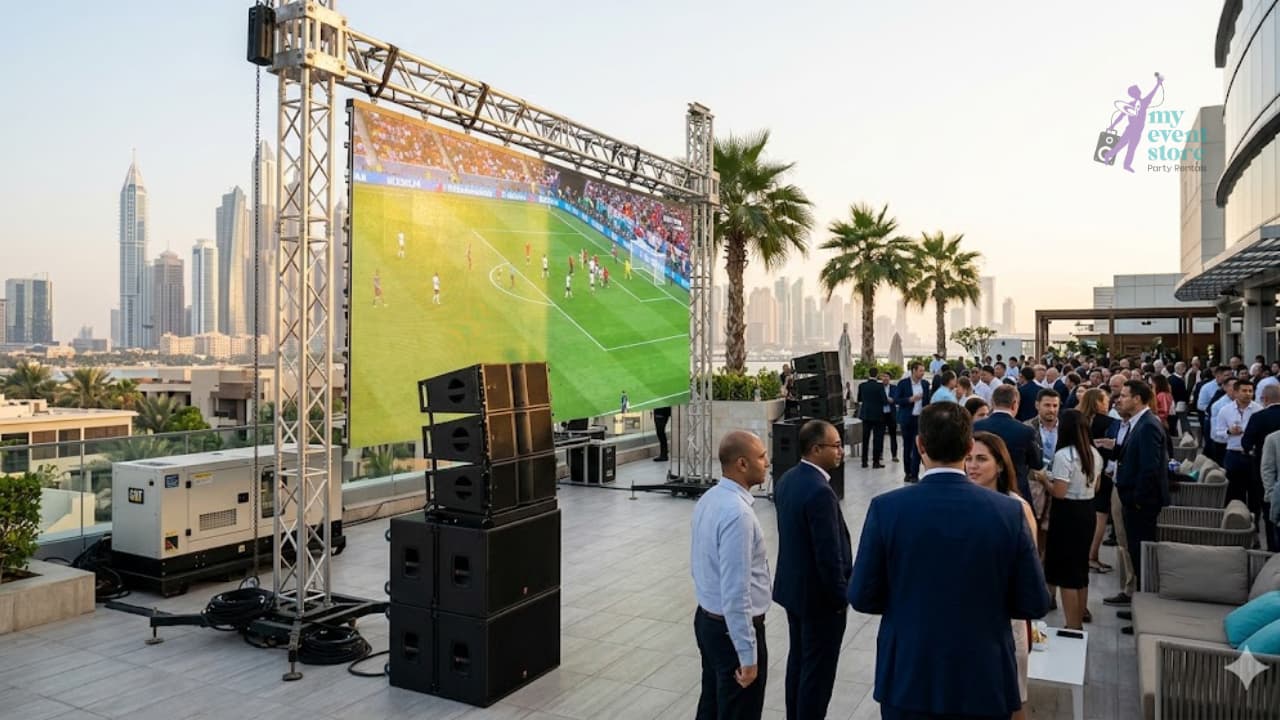
Outdoor screens need a different setup approach. They must account for brightness, weather exposure, ambient light, viewing distance, and secure rigging or support structure.
If your event is outdoors, the screen should be planned with the wider production setup in mind. That includes placement, power, visibility during the day, and how the screen fits with sound and staging.
Even the best LED screen will not look effective if the content is not designed properly.
A screen used for slides needs clean text, readable fonts, and strong contrast. A brand backdrop should have balanced visual composition. Event videos need the right format and resolution. Sponsor logos should be placed carefully so the overall screen does not look crowded.
This is why screen planning should always include content planning.
Ask these questions early:
Will the screen show PowerPoint slides, videos, logos, or motion graphics?
Does the content need to be visible from a distance?
Will there be live camera feed?
Is the screen mainly functional, decorative, or both?
Will the event be photographed or filmed?
The better the content matches the screen format, the more professional the event feels.
Where the screen sits is just as important as how large it is.
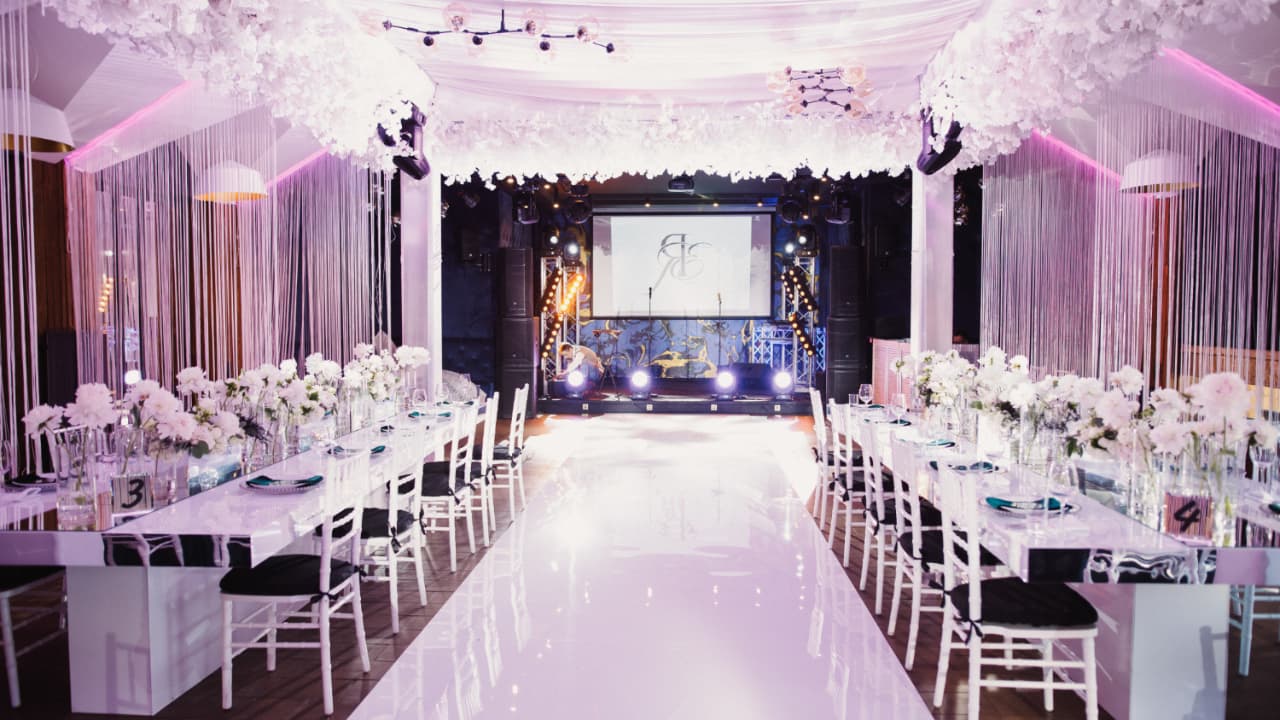
For corporate events, LED screens are often placed behind the stage, beside the speaker area, or as part of a full branded backdrop. For exhibitions, they may be integrated into the stand design. For launches and private events, they may act as a focal point.
A poor screen position can create blocked views, awkward stage balance, or low audience engagement. A good screen position supports both visibility and event flow.
When planning LED screen rental Dubai, the provider should consider:
audience viewing angles
stage depth
presenter movement
camera framing
venue access and setup constraints
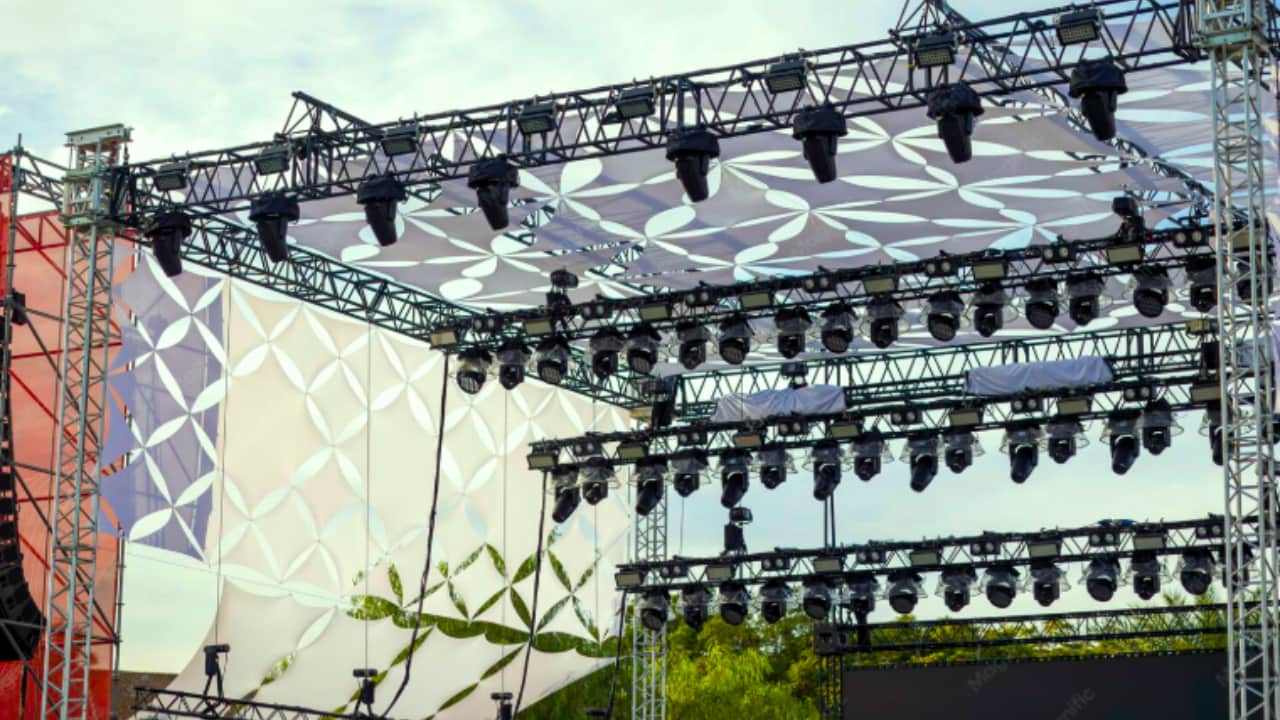
how the screen works with lighting and decor
A screen should never be treated as a standalone rental item. It works best when it is part of the wider production plan.
For example, if the stage lighting is too strong in the wrong direction, the screen may not look as intended on camera. If the stage layout is too narrow, the screen may overwhelm the speaker area. If the sound and screen timing are not aligned, transitions can feel messy.
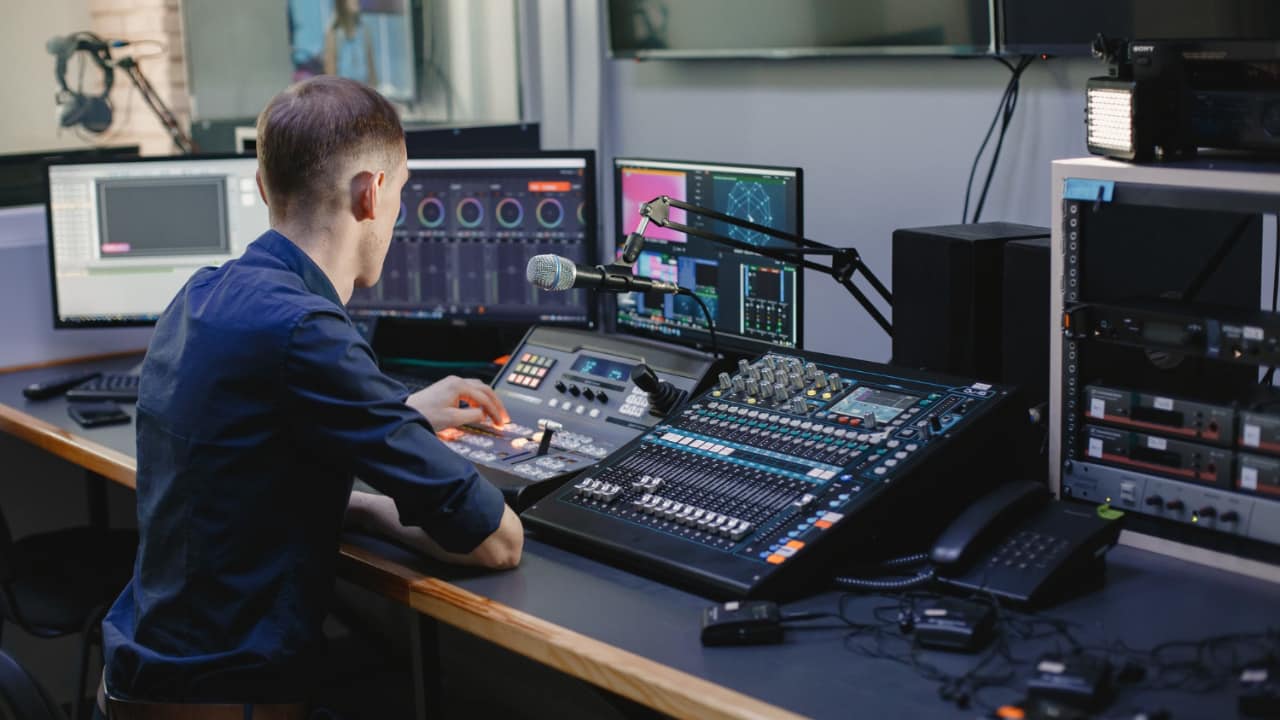
That is why many event planners prefer to work with one company for event equipment rental Dubai and visual production support. It helps create a more cohesive result.
The right LED screen setup is not about choosing the biggest wall available. It is about choosing a screen that suits the event, the audience, the venue, and the content.
When size, pixel pitch, placement, and support are planned properly, the result feels polished and purposeful. The screen becomes more than a display. It becomes part of the full event experience.
If you are planning a conference, exhibition, launch, wedding, or branded event, the smartest first step is to discuss your screen needs in context. The more clearly the event is understood, the better the setup will perform on the day.
There is no single best size. The right size depends on venue dimensions, audience distance, stage layout, and the type of content being shown.
Pixel pitch refers to the distance between pixels on the display. It affects how sharp the screen looks, especially when viewed from close range.
Yes. Indoor and outdoor events usually need different screen specifications because of lighting conditions, viewing distance, and environmental factors.
Yes. LED screens are widely used for conferences, exhibitions, launches, gala events, and weddings because they support branding, presentations, and visual impact.
It is best to enquire early, especially if your event needs custom sizing, staging integration, or a more complex visual setup.